Hallux Valgus
Bunions & Toe Deformities
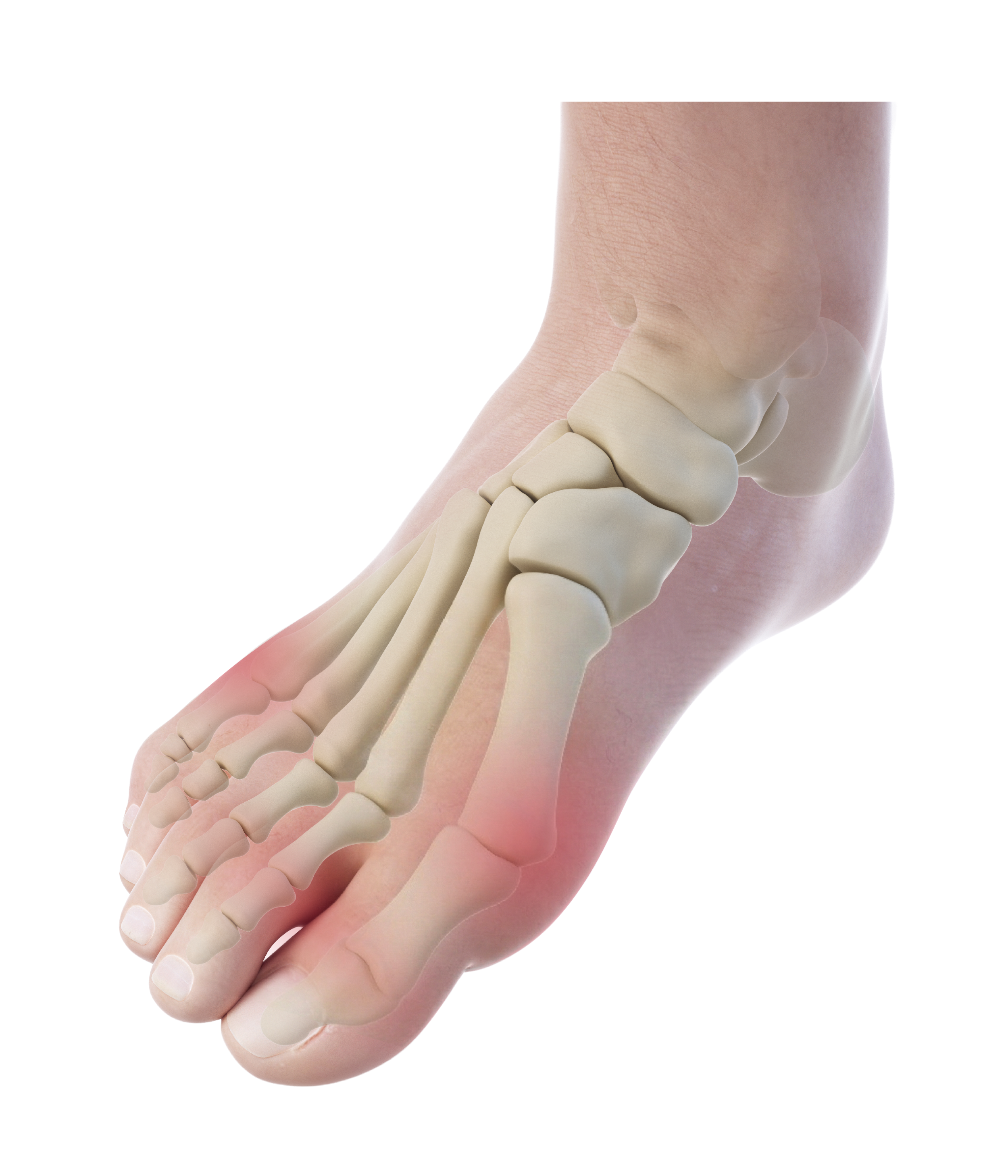
A bunion, medically known as hallux valgus, is a common deformity where the big toe angles towards the second toe, creating a prominent bump on the inside of the foot at the metatarsophalangeal (MTP) joint. This can cause pain, swelling, redness, and difficulty wearing shoes. Bunions affect millions worldwide, more commonly women due to footwear, but also from genetics, arthritis, or foot structure.
Symptoms
- – Pain and tenderness over the bump, worse with tight shoes
- – Swelling and inflammation around the joint
- – Corns or calluses from toe overlap
- – Limited big toe movement in advanced cases
- – Secondary issues like hammertoes or bursitis

- Causes and Risk Factors
-
Bunions develop gradually from biomechanical issues, inherited foot shape (e.g., flat feet), or prolonged narrow/high-heeled shoes. Inflammatory conditions like rheumatoid arthritis accelerate progression. As a BOFAS member with London fellowship training, I often see bunions in active patients and those with family history.
- Non-Surgical Treatment
-
Most bunions start with conservative management:
Wide, comfortable shoes with good arch support
Bunion pads or spacers to reduce friction
Orthotics to correct alignment
Anti-inflammatory medications or ice
Physical therapy for strengthening
Cortisone injections provide temporary relief for inflammation. - Surgical Operations
-
If pain persists despite 6 months of conservative care, surgery corrects the deformity and relieves symptoms. Modern techniques offer smaller incisions, less swelling, faster recovery, and immediate weight-bearing in most cases. Procedures involve realigning bones, removing the bump, and tightening/soft tissue balancing. At TwentySix Clinic, I tailor surgery to severity – from scarf osteotomy for moderate cases to fusion for severe/recurrent bunions. UK-trained expertise ensures low recurrence and excellent outcomes.
- Recovery
-
6 weeks in a protective velcro shoe, with full activity by 3-6 months.
Ready for pain-free feet?
Contact TwentySix Clinic for a consultation
Both UK and Irish registered patients welcome.